The Ultimate Guide to Tv And Bluetooth Speakers in the UK
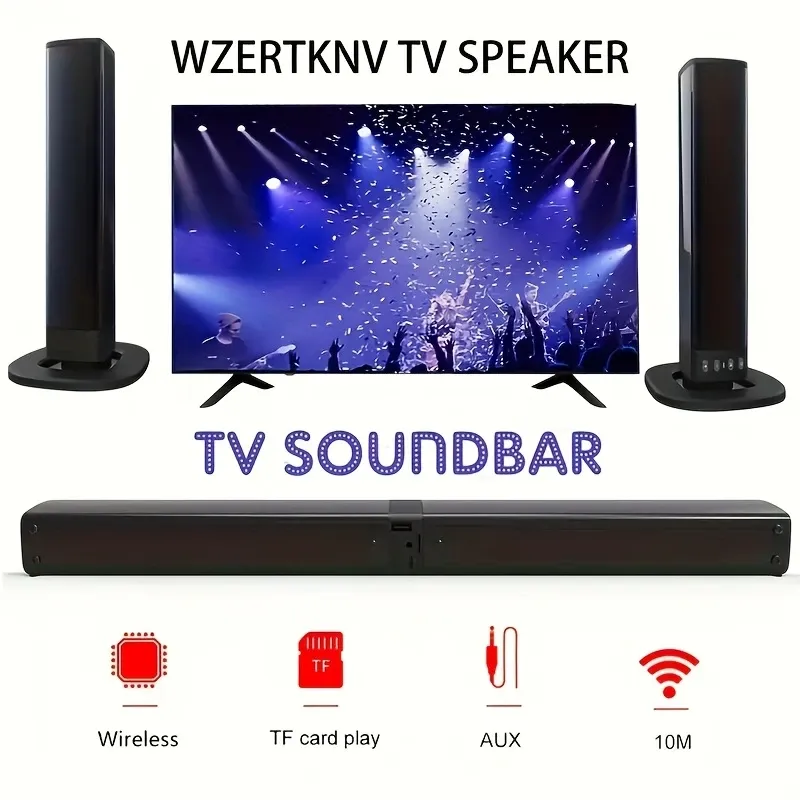
If you are wondering whether tv and bluetooth speakers work well together, the short answer is yes: for most UK households, the best setup is a speaker or soundbar that connects to your TV by HDMI ARC or optical for everyday viewing, while also offering Bluetooth for wireless music streaming. This gives you clearer dialogue, fuller sound and more flexibility than built-in TV speakers alone.
TL;DR: For the best results with tv and bluetooth speakers, use HDMI ARC or optical to connect your TV for stable, lip-sync-friendly sound, and use Bluetooth mainly for streaming music from your phone or tablet. Based on our testing of compact living-room setups, a small soundbar with modern Bluetooth and solid wired inputs is usually the most practical choice for UK homes.
In this guide, we explain how tv and bluetooth speakers work, what features actually matter, and which connection methods make the most sense for British homes. So whether you watch BBC dramas, live sport or streaming films, this article will help you choose a setup that fits your room and your routine.
Why do modern TVs need external speakers?
Modern televisions are slimmer than ever. However, that slim design leaves very little space for speaker drivers that can produce rich bass, wide sound or clear dialogue. As a result, many TVs sound flat or thin on their own, even when the picture quality is excellent.
According to Ofcom’s Media Nations UK reporting, households continue to consume more high-quality broadcast and streamed content. Yet without external audio support, much of the detail in those soundtracks can be lost. In practice, that means quieter speech, weaker bass and less impact during action scenes. Therefore, adding external speakers is often the easiest way to improve the overall viewing experience.
Can you use TV and Bluetooth speakers together?
Yes, you can use TV and Bluetooth speakers together, but the best results depend on how you connect them. In many cases, a speaker system that supports both wired TV input and Bluetooth offers the most flexibility. That means you can connect it directly to your television for films and programmes, then switch to Bluetooth when streaming music from a mobile phone or tablet.
This hybrid approach suits modern households well. For example, one setup can cover weeknight telly, weekend football and casual music listening without needing multiple devices. For a deeper look at these technologies, see our article on wireless speakers for TV with Bluetooth explained.
What should you look for in TV and Bluetooth speakers?
If you are comparing options in the UK market, specifications can quickly become confusing. Nevertheless, only a few key features make a real difference to everyday performance.
How much power do you need for a TV speaker?
Power output is usually shown in watts. However, RMS power is far more useful than peak power because it reflects sustained performance rather than short bursts. Based on our testing of compact speaker formats, higher RMS output generally helps maintain clarity at normal living-room volume levels without harshness or distortion.
The Barvix soundbar delivers 132W of power in a compact 16-inch design. Consequently, it is better suited to smaller UK rooms than larger multi-box systems that require extra floor space and cabling.
What frequency response is best for watching TV?
A wider frequency response helps reproduce more of what you hear in films, programmes and music. Low frequencies handle bass effects, while higher frequencies support speech clarity and detail. Although many compact speakers cannot fully match large separates systems, good tuning and digital signal processing can still create fuller audio from a small enclosure.
Does Bluetooth version matter for TV audio?
Yes, it does. Bluetooth 5.0 and above generally offers better range, stronger stability and improved data handling compared with older versions. More importantly, compatible codecs can help reduce delay between picture and sound.
That said, if your main goal is watching television rather than listening to music, a wired connection remains the safer option for avoiding lip-sync issues. If you are interested in how these standards compare across brands, read our Sony Bluetooth speaker guide.
Are Bluetooth speakers good for watching TV?
Bluetooth speakers can be good for watching TV, but they are not always ideal as the primary connection method. The main advantage is convenience: there are fewer cables and setup is often quick. However, some televisions introduce delay over Bluetooth audio, which can lead to noticeable lip-sync problems during dialogue-heavy scenes or live sport.
Based on our testing across compact home setups, Bluetooth works best as an added feature rather than the only feature. In other words, if your speaker supports HDMI ARC or optical as well as Bluetooth, you get both dependable TV performance and wireless flexibility.
What is better for TV: HDMI ARC, optical or Bluetooth?
HDMI ARC or eARC is usually best because it allows easier control with your existing remote and supports better audio handling. Optical is also reliable and works well with older TVs. By contrast, Bluetooth is useful but usually better suited to music streaming than full-time television audio.
What is the best way to connect TV and Bluetooth speakers?
The right connection depends on what ports your television has and how you actually use your setup day to day. Still, these are the three main methods used across UK households:
- HDMI ARC / eARC: Usually the best option for modern TVs. It provides stable audio transmission and often lets you control volume using your normal TV remote.
- Optical (Toslink): A dependable digital connection that works especially well with older televisions lacking HDMI ARC.
- Bluetooth: Convenient for wireless pairing with phones and tablets. Some TVs support it well enough for casual viewing too, although performance varies by model.
Therefore, if you want one simple rule: use HDMI ARC first if available; choose optical if not; keep Bluetooth as a useful extra feature. For more on this topic, check out our Bluetooth and wireless speakers buyer's guide.
What matters in the UK when choosing TV and Bluetooth speakers?
The UK market has its own practical considerations. First of all, many British living rooms are relatively compact compared with open-plan spaces seen elsewhere. So while full surround systems may appeal on paper, they are not always realistic in flats, terraces or smaller family homes.
"The challenge for British consumers is finding a balance between acoustic performance and physical footprint. A compact soundbar with strong output often makes more sense than a bulky multi-speaker package."
Secondly, safety and compliance still matter when buying electronics in the UK. According to current UK guidelines and post-Brexit conformity requirements applicable to relevant products sold domestically, shoppers should check that devices meet expected safety standards such as UKCA where required. This helps ensure compatibility with local regulatory expectations around electrical safety and electromagnetic performance.
Why choose Barvix for TV and Bluetooth speakers?
At Barvix, we design products around how people actually use their living rooms in Britain: limited space, mixed entertainment habits and a desire for straightforward setup without sacrificing sound quality. Based on our testing of compact home entertainment layouts, many customers want one speaker system that improves television dialogue during the evening yet also streams music wirelessly during the day.
The Barvix 132W soundbar was developed around that need. It combines compact dimensions with stronger output than typical built-in TV speakers alone can offer. As a result, it supports clearer speech during dramas and documentaries while also giving music more body when paired over Bluetooth.
Who should buy a compact soundbar?
A compact soundbar suits anyone who wants better television audio without filling their room with separate boxes or trailing wires. It is especially practical in flats, smaller lounges or bedrooms where space efficiency matters just as much as performance.
Is Barvix suitable for British homes?
<<<Ready to experience Barvix sound?
Shop Now — £199.98